

Your Power. Your Rules.
Event When the Grid Goes Down
Store power. Slash bills. Stay in control — day or night.
Now available with 0% interest up to 60 months.
ATAP Solar System
(Accelerated Transition Action Programme)
Malaysia’s new solar framework — giving you more savings, more control, and zero dependency on TNB.
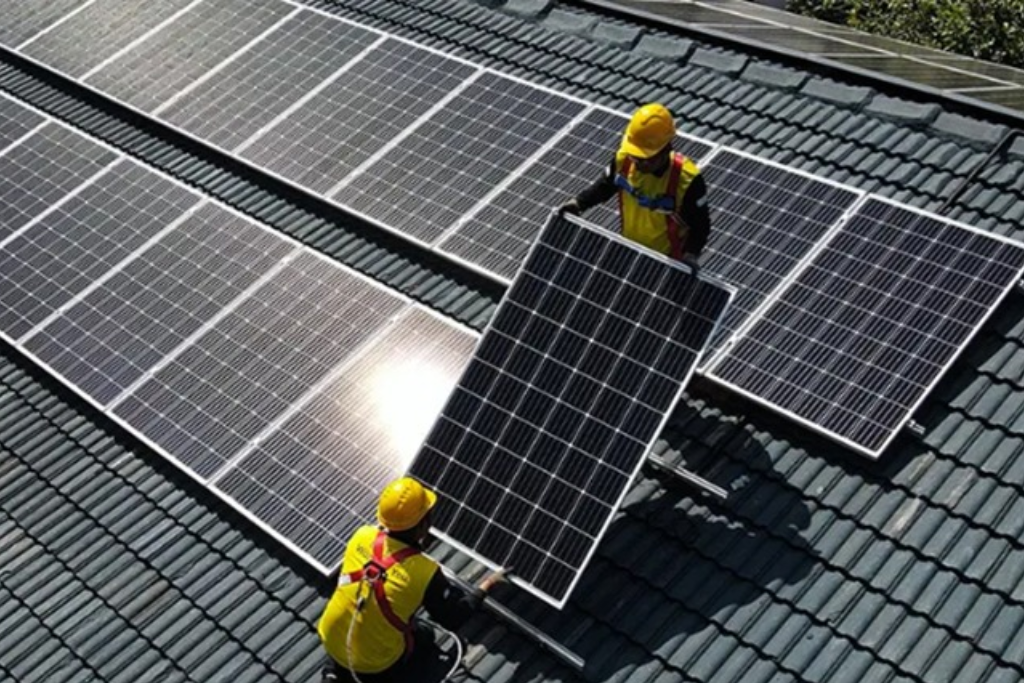
ATAP is the government’s updated solar mechanism that replaces the old NEM system. Instead of exporting energy back to TNB, ATAP focuses on self-consumption — allowing you to directly use the solar you generate. This makes solar faster to install, more predictable, and more profitable in the long run.
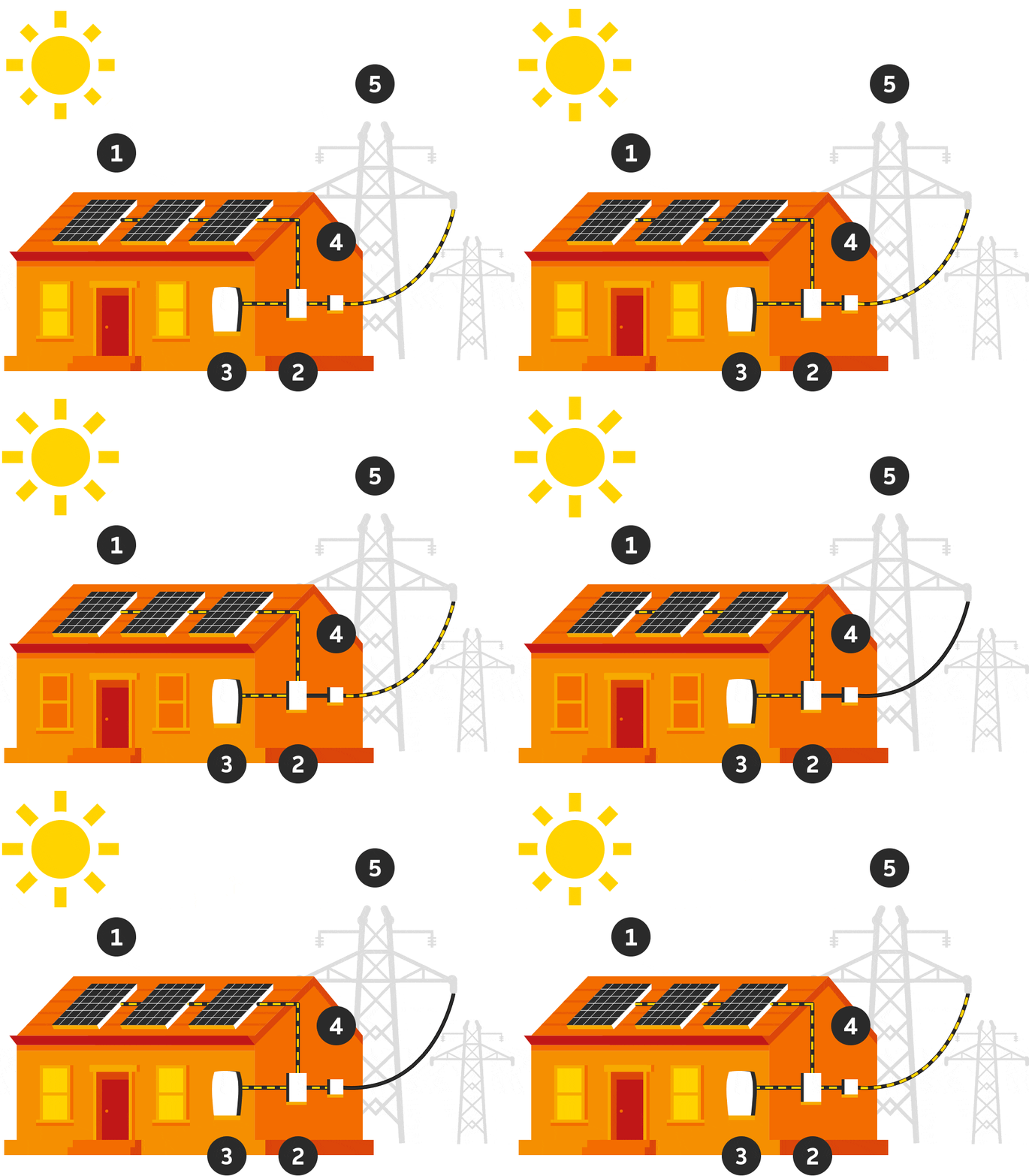
Why ATAP?
No more quota waitlist
Unlike NEM, ATAP has no limitations, so approvals are faster.
Keep 100% of the power you generate
Your solar is used directly by your home or business.
Higher long-term ROI
Your savings remain stable because you are not affected by changes in export rules.
Works perfectly with BESS
Store extra energy to use at night or during outages.
Faster installation
Less paperwork. Few restrictions. Quick deployment.
Why ATAP is Better Than NEM
Feature
NEM
ATAP
Export toTNB
YES
YES
Approvals
Slow
Fast
Future-proof
Limited
Strong
Backup during blackout
No
Yes (with BESS)
ROI stability
Medium
Fast
Flexibility
Low
High
With ATAP, you control your energy, not TNB.
Rayvora ATAP Solutions Include:
- Full system design & bill analysis
- Hybrid inverter setup
- BESS integration
- Smart load management
- App-based monitoring
- Professional installation
- 5-year workmanship warranty
- 25-year solar panel performance warranty
Whether you’re a homeowner or business owner, ATAP ensures your solar savings remain strong for decades.
Rayvora doesn’t just install solar. We build long-term energy independence for every customer.
Rayvora ATAP Solutions Include:
- Full system design & bill analysis
- Hybrid inverter setup
- BESS integration
- Smart load management
- App-based monitoring
- Professional installation
- 5-year workmanship warranty
- 25-year solar panel performance warranty
Whether you’re a homeowner or business owner, ATAP ensures your solar savings remain strong for decades.
Rayvora doesn’t just install solar. We build long-term energy independence for every customer.
Battery Energy Storage Systems (BESS)
Your Power. Your Control. Your Energy Independence
A Battery Energy Storage System (BESS) allows you to store solar energy and use it whenever you need it — day or night, even during blackouts.
At Rayvora Energy, our BESS solutions are designed for homes, businesses, factories, and mission-critical facilities that cannot afford downtime.

24/7 Energy Availability
Store excess daytime solar and use it at night.
No waste. No dependency.
Blackout-Proof Electricity
When TNB goes down, your home or business
stays on — automatically.
Lower Electricity Bills
Increase your self-consumption and drastically
reduce TNB reliance.
Peak-Hour Protection
Avoid high-usage charges
(especially for commercial customers).
Future-Proof Energy Security
Energy prices rise. A BESS system locks your
long-term costs.
High Efficiency, Long Lifespan
Our LiFePO4 battery systems offer
6,000+ cycles and 8–10 years warranty.
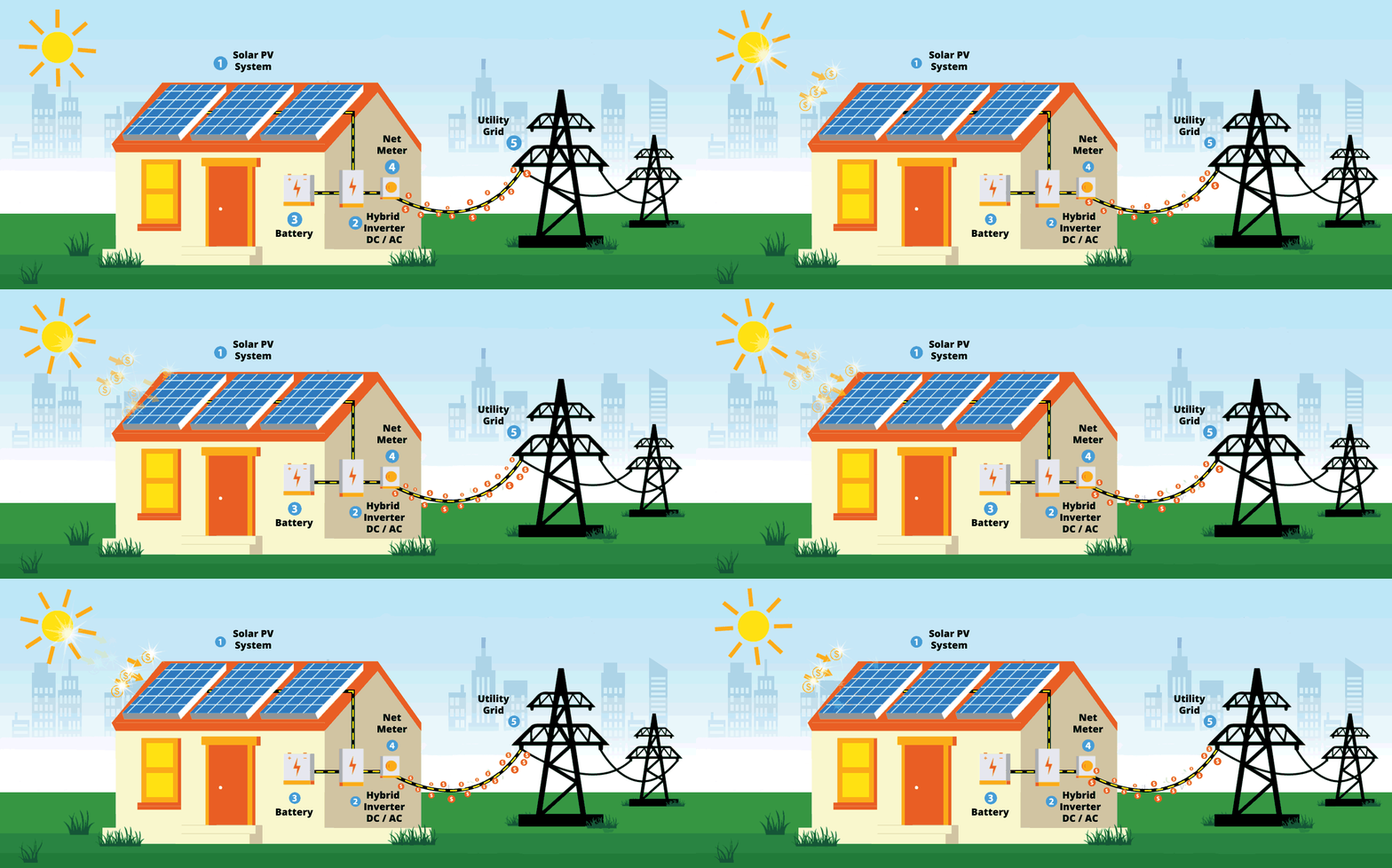
Why Battery + Solar Is The Future
Why Fox Ess Battery?



HTW Berlin A-Class Rated (2025)
Tier 1 BNEF for battery storage
Top PV Brand – Europe & Portugal

No.2 in global residential battery shipments

Smart app for full visibility & control

90% Depth of Discharge for max usable energy

10 years product warranty + 2 years workmanship
Your Power. Your Control.
Your Energy Independence
Modular battery packs (expand anytime)
High-capacity
hybrid inverters
AI-powered energy management
Real-time
monitoring app
Automatic switching during blackout
Safety-certified for Malaysian weather conditions
Supports residential, commercial & industrial loads
Who is BESS for?

Homeowners who want blackout protection

High-usage homes
(RM500+ monthly)
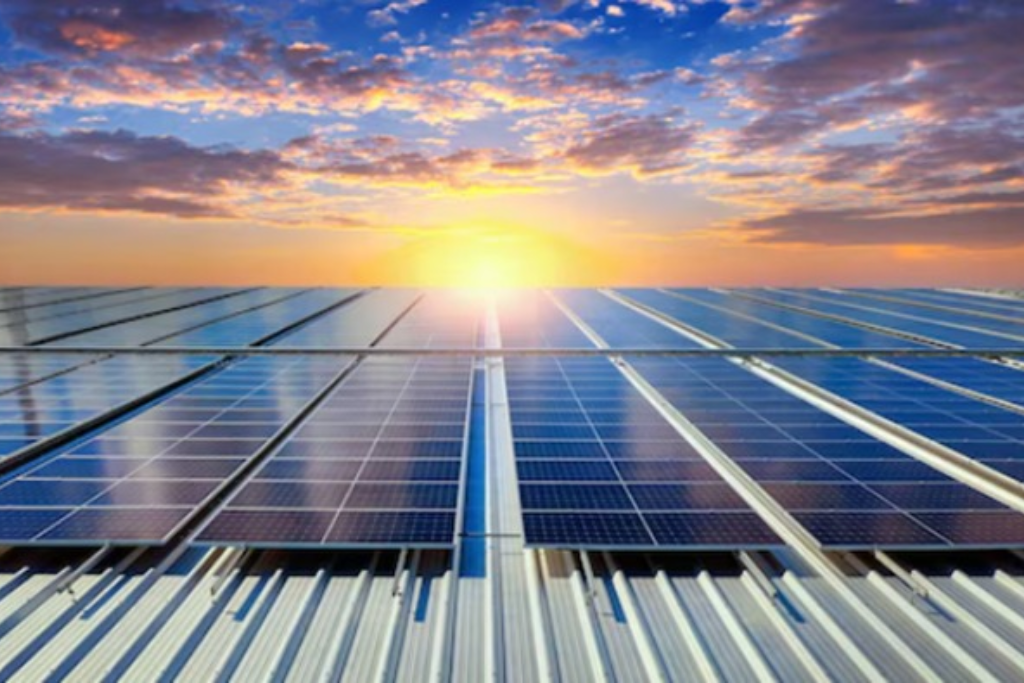
Businesses that must run
during outages
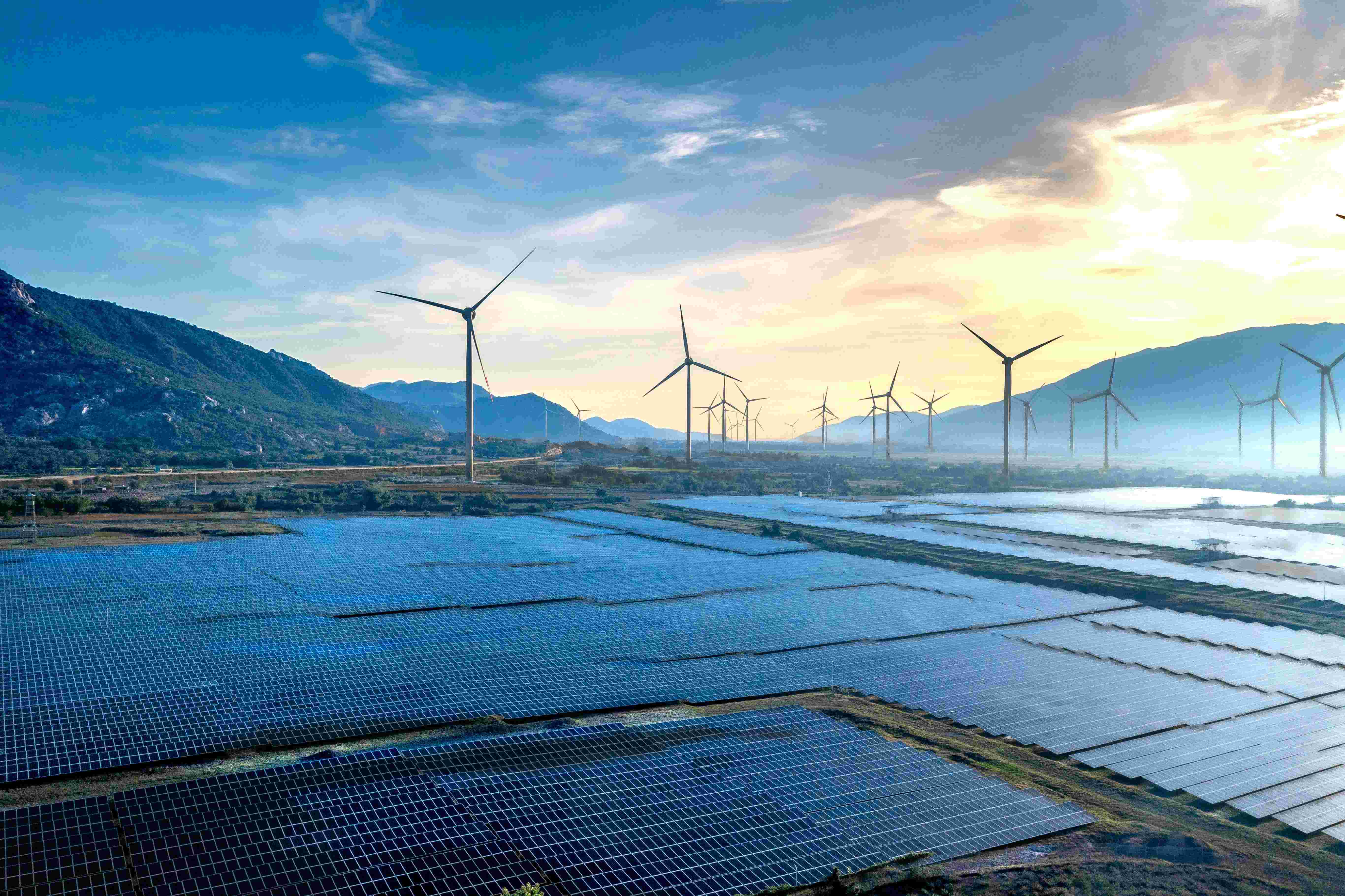
Factories with critical operations
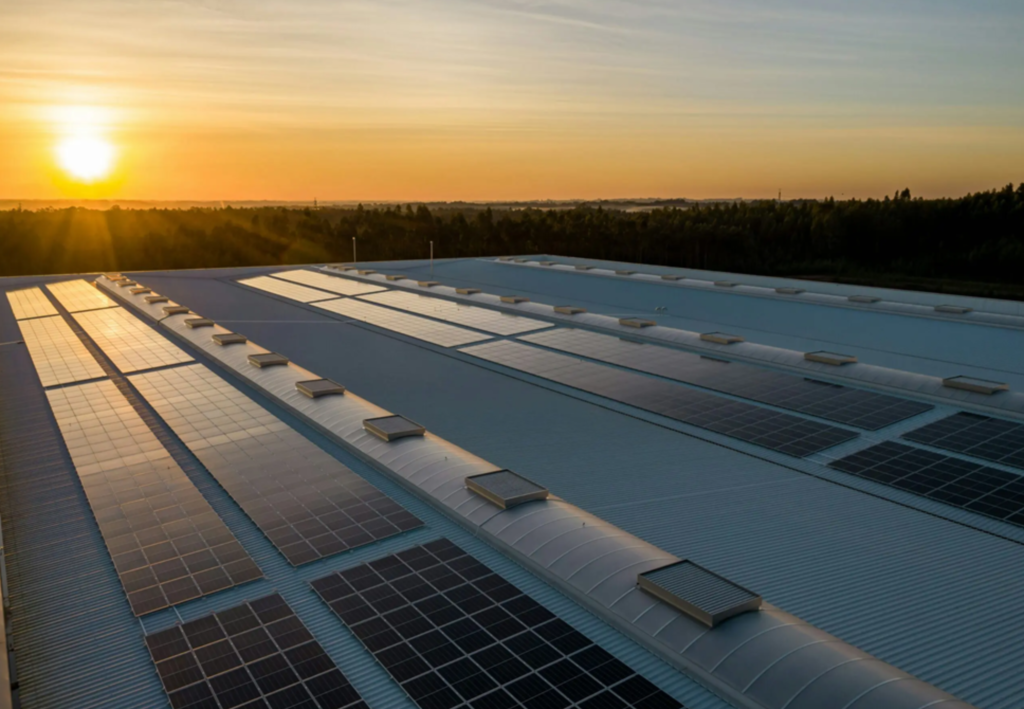
Shops with chillers, servers, or equipment
Anyone who wants to
maximize ATAP savings
The Result?
Up to 90% reduction in TNB bills + guaranteed electricity
even when the grid fails. Rayvora’s BESS gives you control, stability, and peace of mind.
FAQ
Are you interested in solar solutions but have some questions in mind unresolved? We’ve consolidated top asked questions that may help make you take the step to decide today.
Is solar really worth it in Malaysia?
Yes. Malaysia gets sunlight all year, making solar one of the highest-ROI investments for both homes and businesses. Most customers save 50–90% off their electricity bill every single month.
How does a solar system actually reduce my TNB bill?
Your solar panels generate electricity during the day → this reduces the amount you pull from TNB → resulting in a lower bill. If you have NEM, extra energy is credited to your bill.
Will solar still work when it’s cloudy or raining?
Yes — production drops, but panels still generate power. Malaysia’s overall sunlight is high enough to make solar extremely effective long-term.
Can solar power run my whole house?
Yes. With the correct system size, solar can support:
- Air-cond
- Fridge
- TVs
- Computers
- Water pumps
- Heaters
- Lights
We design based on your usage to cover ALL major appliances.
Do I need to change my wiring?
No. Solar connects to your existing system. Only outdated or unsafe wiring may need upgrading.
How much does a solar system cost?
Homes usually range between RM12,000 – RM40,000 depending on size.
Commercial systems vary based on roof space and usage.
How much can I save?
Most customers save:
- 50–70% (small homes)
- 70–90% (large homes)
- Up to 80–95% (commercial)
We calculate your savings before installation so there are no surprises.
What is the ROI?
Solar typically pays for itself in 3–6 years.
After that, your energy becomes almost FREE for decades.
Does solar increase my property value?
Yes — homes with solar:
- sell faster
- have higher resale value
- have lower monthly expenses
Buyers prefer houses with lower TNB bills.
Do I need to pay the full amount upfront?
No — we offer:
- Installment plans
- Leasing for businesses
- TNB EP3 financing
- Deposit + progressive payment options
Are there hidden charges?
No hidden fees.
You receive a transparent breakdown before confirming.
Do you provide a free site visit?
- Do you provide a free site visit?
Yes — we provide:
- free consultation
- free bill analysis
- free roof assessment
No commitment required.
FAQ
Are you interested in solar solutions but have some questions in mind unresolved? We’ve consolidated top asked questions that may help make you take the step to decide today.
Is solar worth it?
Yes. Malaysia gets sunlight all year, making solar one of the highest-ROI investments for both homes and businesses. Most customers save 50–90% off their electricity bill every single month.
How does solar cut bills?
Your solar panels generate electricity during the day → this reduces the amount you pull from TNB → resulting in a lower bill. If you have NEM, extra energy is credited to your bill.
Does solar work in rain?
Yes — production drops, but panels still generate power. Malaysia’s overall sunlight is high enough to make solar extremely effective long-term.
Can solar power my home?
Yes. With the correct system size, solar can support:
- Air-cond
- Fridge
- TVs
- Computers
- Water pumps
- Heaters
- Lights
We design based on your usage to cover ALL major appliances.
Need to change wiring?
No. Solar connects to your existing system. Only outdated or unsafe wiring may need upgrading.
Solar system cost?
Homes usually range between RM12,000 – RM40,000 depending on size.
Commercial systems vary based on roof space and usage.
How much can I save?
Most customers save:
- 50–70% (small homes)
- 70–90% (large homes)
- Up to 80–95% (commercial)
We calculate your savings before installation so there are no surprises.
What is the ROI?
Solar typically pays for itself in 3–6 years.
After that, your energy becomes almost FREE for decades.
Increase property value?
Yes — homes with solar:
- sell faster
- have higher resale value
- have lower monthly expenses
Buyers prefer houses with lower TNB bills.
Pay upfront?
No — we offer:
- Installment plans
- Leasing for businesses
- TNB EP3 financing
- Deposit + progressive payment options
Are there hidden charges?
No hidden fees.
You receive a transparent breakdown before confirming.
Do you provide a free site visit?
- Do you provide a free site visit?
Yes — we provide:
- free consultation
- free bill analysis
- free roof assessment
No commitment required.
Frequently Asked Questions
SECTION 1 — GENERAL SOLAR QUESTIONS
Is solar really worth it in Malaysia?
Yes. Malaysia gets sunlight all year, making solar one of the highest-ROI investments for both homes and businesses. Most customers save 50–90% off their electricity bill every single month.
How does a solar system actually reduce my TNB bill?
Your solar panels generate electricity during the day → this reduces the amount you pull from TNB → resulting in a lower bill. If you have NEM, extra energy is credited to your bill.
Will solar still work when it’s cloudy or raining?
Yes — production drops, but panels still generate power. Malaysia’s overall sunlight is high enough to make solar extremely effective long-term.
Can solar power run my whole house?
Yes. With the correct system size, solar can support:
- Air-cond
- Fridge
- TVs
- Computers
- Water pumps
- Heaters
- Lights
We design based on your usage to cover ALL major appliances.
Do I need to change my wiring?
No. Solar connects to your existing system. Only outdated or unsafe wiring may need upgrading.
SECTION 2 — COST, SAVINGS & ROI
How much does a solar system cost?
Homes usually range between RM12,000 – RM40,000 depending on size.
Commercial systems vary based on roof space and usage.
How much can I save?
Most customers save:
- 50–70% (small homes)
- 70–90% (large homes)
- Up to 80–95% (commercial)
We calculate your savings before installation so there are no surprises.
What is the ROI?
Solar typically pays for itself in 3–6 years.
After that, your energy becomes almost FREE for decades.
Does solar increase my property value?
Yes — homes with solar:
- sell faster
- have higher resale value
- have lower monthly expenses
Buyers prefer houses with lower TNB bills.
SECTION 3 — SYSTEM TYPES
What is the difference between on-grid, hybrid, and off-grid?
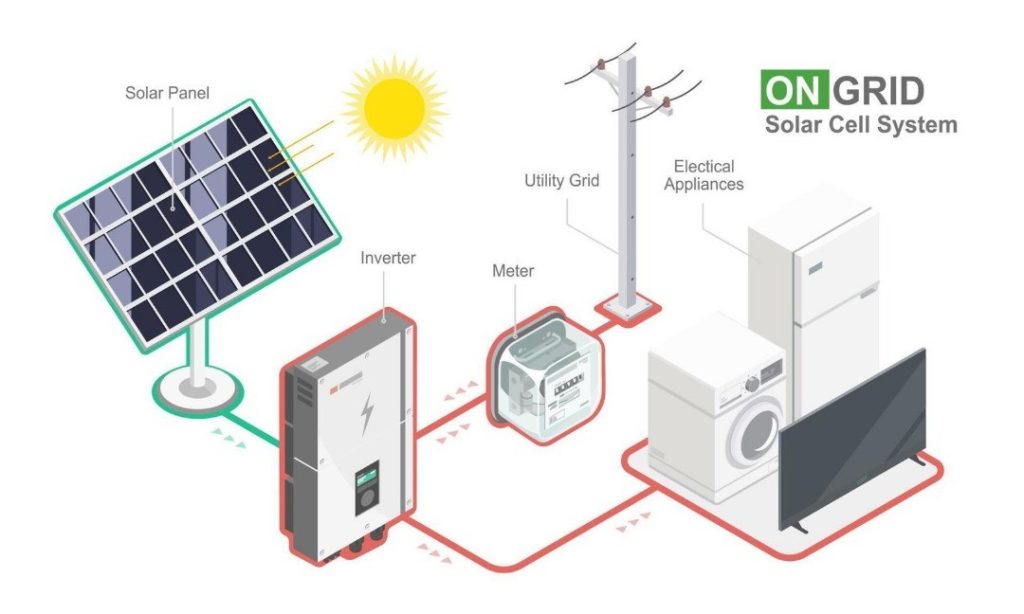
On-Grid (with TNB):
✔ Lowest cost
✔ Best ROI
✔ Can join NEM
✖ No backup during blackout
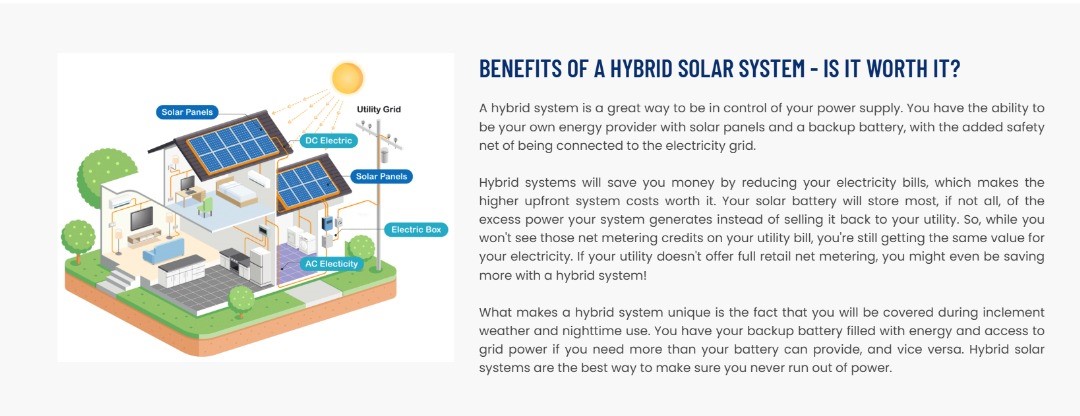
Hybrid (with battery):
✔ Power during blackout
✔ Higher self-consumption
✔ Modular & expandable
✔ Works for high-usage homes
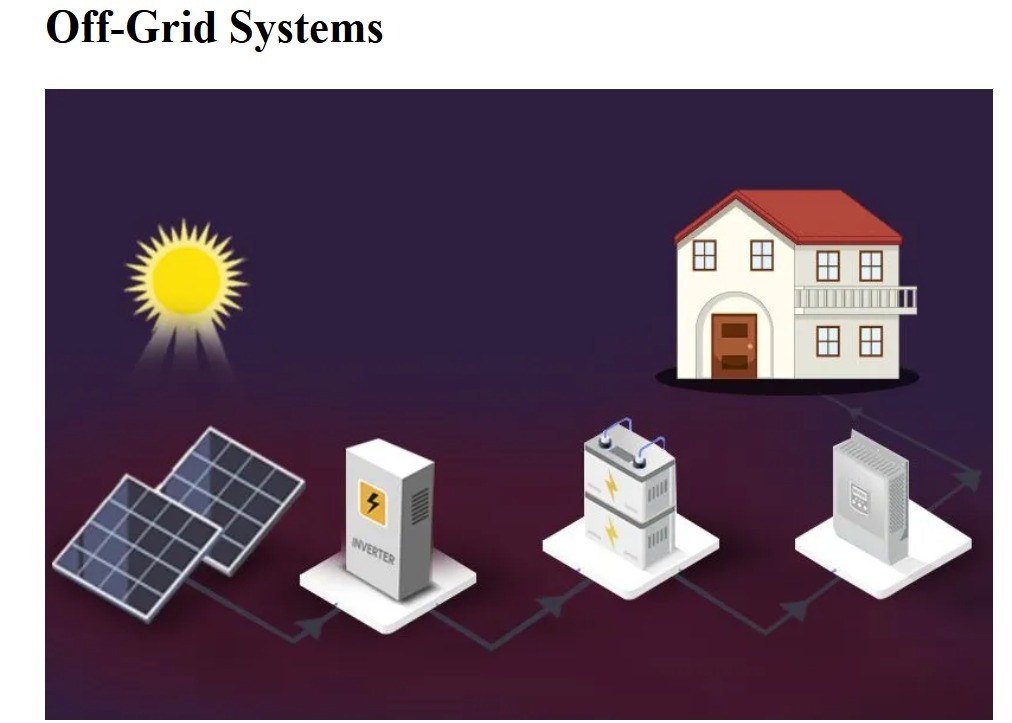
Off-Grid (no TNB):
✔ For farms, remote areas, factories
✔ Fully independent
✖ Requires proper sizing & battery capacity
Do I need batteries?
No — batteries are optional.
You only need them if you want:
- blackout protection
- night-time solar usage
- zero dependency on TNB
SECTION 4 — RELIABILITY, PERFORMANCE & SAFETY
Will solar panels damage my roof?
No. Our mounting systems are designed to protect your roof, not damage it.
All installation includes leak protection and workmanship warranty.
What if it rains heavily — will the panels leak?
No. We use:
- rust-proof mounting
- proper flashing
- waterproof sealing
- Malaysian-certified systems
Your roof is fully protected.
Do solar panels need cleaning or maintenance?
Minimal.
You only need:
- Cleaning every 3–6 months
- Optional yearly inspection
We provide maintenance packages.
Can lightning strike my solar panels?
Panels do not attract lightning.
We install:
- surge protection
- proper grounding
- DC/AC isolators
Your system is protected for Malaysian weather.
What happens if the system breaks down?
Contact Rayvora — we provide:
- remote diagnosis
- on-site service
- warranty claim management
- replacements if needed
You’re fully supported.
SECTION 5 — WARRANTY & LIFESPAN
How long do solar panels last?
Panels last 25–30 years.
What warranties do I get?
No. We use:
- rust-proof mounting
- proper flashing
- waterproof sealing
- Malaysian-certified systems
Your roof is fully protected.
Do batteries really last 10 years?
Minimal.
You only need:
- Cleaning every 3–6 months
- Optional yearly inspection
We provide maintenance packages.
SECTION 6 — TNB, NEM & DOCUMENTATION
Do I need approval from TNB?
For on-grid systems: Yes
For hybrid/off-grid: No
We handle all submission and documentation.
What is NEM?
NEM = Net Energy Metering
Extra solar units you produce are credited to your TNB bill at 1-to-1 offset.
Can I join NEM if my roof is small?
Yes — even small systems can join NEM and save significantly.
SECTION 7 — INSTALLATION PROCESS
How long does installation take?
- Proposal: 1–2 days
- TNB/SEDA approval: 2–4 weeks
- Installation: 1–2 days
- Commissioning: 1 week
Hybrid/off-grid systems are faster.
Will I be without electricity during installation?
No — only a short 5–10 minute shutdown is needed.
What if I want to expand later?
Our systems are fully modular.
You can add:
- more panels
- batteries
- higher-capacity inverters
Anytime in the future.
SECTION 8 — FEES, PAYMENT & FINANCING
. Do I need to pay the full amount upfront?
No — we offer:
- Installment plans
- Leasing for businesses
- TNB EP3 financing
- Deposit + progressive payment options
Are there hidden charges?
No hidden fees.
You receive a transparent breakdown before confirming.
Do you provide a free site visit?
- Do you provide a free site visit?
Yes — we provide:
- free consultation
- free bill analysis
- free roof assessment
No commitment required.
SECTION 9 — COMMERCIAL & INDUSTRIAL CUSTOMERS
Can solar support a factory or shoplot?
Absolutely.
We design systems for:
- factories
- warehouses
- shoplots
- cold rooms
- data centres
- schools
- government buildings
Commercial ROI is often 3–4 years due to high usage.
Is my business roof suitable for solar?
We check:
- direction
- shading
- load-bearing
- roof condition
We only install where it is safe and profitable.
SECTION 10 — ABOUT RAYVORA ENERGY
Why should I choose Rayvora Energy over other installers?
Rayvora offers:
- High-quality equipment
- SEDA/TNB-backed engineering
- 5-year workmanship warranty
- Fast approval turnaround
- Transparent pricing
- Excellent after-sales support
We focus on long-term reliability, not just installation.
What support do I get after installation?
You get:
- WhatsApp support
- Monitoring access
- Troubleshooting
- Warranty management
- Maintenance reminders
We stay with you for the long run.
Is Rayvora Energy licensed?
We work with SEDA-registered engineering partners to ensure:
- legal approval
- professional designs
- safe installation
- warranty validity
You are fully protected.
SECTION 11 — GOVERNMENT PROGRAMS (CREAM, SELCO, ATAP, NEM)
What is CREAM?
CREAM (Corporate Renewable Energy Access Mechanism) is Malaysia’s new solar framework that allows:
- Corporate users
- Commercial buildings
- Industrial facilities
to purchase renewable energy directly from solar providers without depending on old NEM quotas.
This gives businesses:
- More flexibility
- No quota waitlist
- No NEM restrictions
- Faster deployment
Rayvora is fully aligned with CREAM for commercial installations.
What is SELCO?
SELCO (Self-Consumption Solar) is a scheme where:
- You generate solar energy
- You use it for your own building
- You do NOT export excess to TNB
It focuses 100% on self-usage, making it:
- Simpler
- Faster
- No approval needed from TNB for export
- No monthly export rules
Perfect for customers who want to save money without depending on NEM.
What is ATAP?
ATAP (Access To Affordable Power) is Malaysia’s latest solar policy that replaces NEM.
It allows users to:
- Install solar
- Use all your own generated power
- Store excess in batteries (optional)
- Reduce dependency on TNB
- Avoid NEM export limitations
ATAP focuses on self-reliance, not exporting to TNB.
This is ideal for homeowners who:
- Want backup power
- Want better long-term ROI
- Don’t want to deal with NEM export caps
- Want faster approval & installation
Rayvora installs ATAP-ready systems (hybrid + on-grid).
Why is NEM no longer available?
NEM ended because:
- National quotas were fully taken
- TNB is moving towards self-consumption models
- Government wants Malaysians to generate AND use their own solar, not sell back
- New frameworks like ATAP give better long-term benefits
- Malaysia’s grid is reducing export incentives
In short:
NEM was designed for the past. ATAP is designed for the future.
What made NEM less ideal?
NEM ended because:
- National quotas were fully taken
- TNB is moving towards self-consumption models
- Government wants Malaysians to generate AND use their own solar, not sell back
- New frameworks like ATAP give better long-term benefits
- Malaysia’s grid is reducing export incentives
In short:
NEM was designed for the past. ATAP is designed for the future.
Why is ATAP better than NEM?
ATAP wins in THREE major areas:
- Faster approval — no quota waiting
NEM required:
- Quota
- TNB export approval
- Longer processing
ATAP:
- No quota
- Faster setup
- Simpler documentation
- Higher long-term ROI
NEM savings depended on:
- How much you export
- TNB billing rules
- Meter accuracy
- Daytime usage
ATAP savings come from:
- FULL self-consumption
- Optional batteries for night use
- Zero export dependency
- Higher stability in long-term returns
- More reliable energy
NEM systems DID NOT work during TNB outages.
ATAP hybrid solutions CAN provide:
- Backup power
- Emergency energy storage
- Stable electricity for sensitive appliances
In simple words:
With NEM, you rely on TNB.
With ATAP, you rely on yourself.
That’s why ATAP is Malaysia’s new standard.
Does ATAP mean I need batteries?
Batteries are optional but highly recommended if you want:
- Night-time solar usage
- Backup during blackouts
- Higher self-consumption
- Maximum savings
ATAP + HYBRID + BATTERY = Full solar independence.
. Does ATAP still reduce my TNB bill?
Yes — in fact, ATAP can reduce your bill MORE THAN NEM because:
- You use more of your own solar
- You waste less energy
- You are not limited by export rules
- Your savings become stable and predictable
Many ATAP customers achieve 70–90% bill reduction depending on battery capacity.
Is NEM coming back?
No. Malaysia is moving towards:
- ATAP
- SELCO
- CREAM
All of which encourage self-use, not exporting to TNB.
I already have NEM. Should I upgrade to ATAP?
You may not need to.
But you can improve your system by:
- Adding batteries
- Adding smart energy management
- Expanding panel arrays
- Installing hybrid inverters
We can check your system and advise what brings the best ROI.
Does ATAP work for both residential and commercial customers?
Yes — ATAP is flexible for:
- Homes
- Factories
- Shoplots
- Warehouses
- Farms
Many commercial clients prefer ATAP because they use most power during the day, where self-consumption gives the highest savings.